
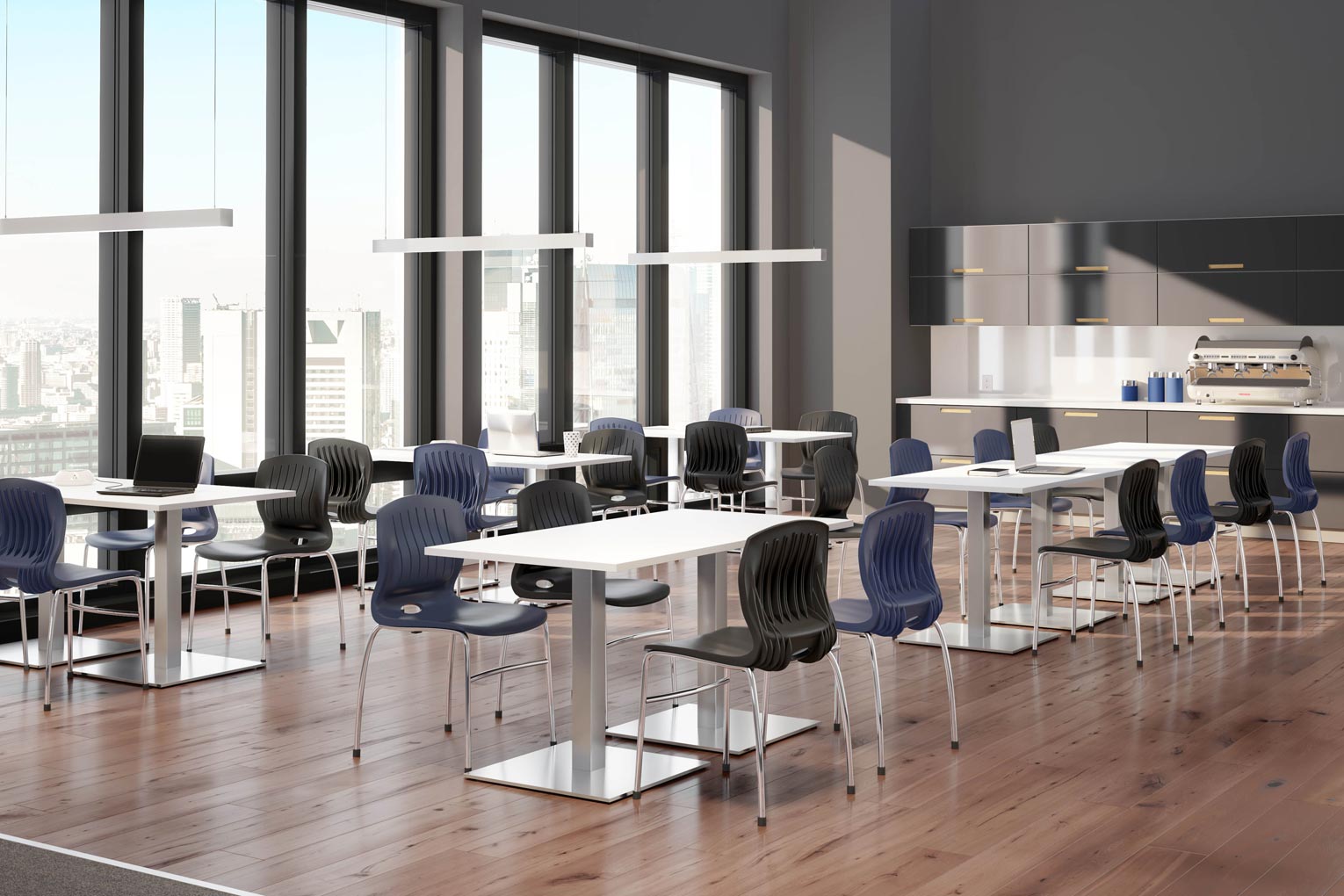
Your Buying Guide to Choosing the Perfect Office Tables
February 11th, 2026 | Office Furniture Blog
Selecting the right office tables is one of the most important decisions you’ll make when designing a workspace. These essential pieces of furniture form the backbone of your office environment, directly influencing productivity, comfort, and even employee morale. With so many styles, materials, and configurations available, finding the perfect fit can feel overwhelming.
This comprehensive guide will help you navigate the key considerations when purchasing office tables, ensuring you make informed choices that benefit your team and your bottom line.
Understanding Your Space Requirements
Before you start shopping, take a careful look at your available space. Measure your office areas accurately, accounting not just for the tables themselves but for the flow of movement around them. A well-designed workspace needs clear pathways, room for chairs to pull out comfortably, and space for additional equipment.
In compact offices, strategic furniture selection becomes crucial. Smaller tables with smart storage solutions can provide all the functionality you need without making the space feel cramped. Conversely, larger workspaces offer more flexibility but require thoughtful planning to avoid creating an empty, impersonal atmosphere or blocking natural traffic patterns.
Matching Tables to Work Functions
Different types of work demand different table configurations. Understanding how your team actually works day-to-day will guide you toward the most practical solutions.
For employees who primarily work on computers, you’ll want tables that accommodate monitors, keyboards, and perhaps a laptop dock without feeling cluttered. Look for designs with cable management features and enough depth to position screens at an ergonomic distance.
If your team handles significant paperwork, larger surface areas become essential. Tables with built-in storage—whether drawers, shelves, or filing systems—keep important documents organized and within easy reach, reducing time wasted searching for information.
For collaborative spaces like conference rooms, consider our conference and boardroom tables that facilitate face-to-face interaction. The shape matters too: rectangular tables work well for presentations, while round or oval options encourage more equal participation during discussions.
Choosing the Right Materials
The material you select affects durability, maintenance requirements, aesthetics, and budget. Each option brings distinct advantages:
Wood offers timeless appeal and solid construction. It works beautifully in traditional settings and executive offices, though it typically commands a higher price point and requires more maintenance to prevent scratches and water damage.
Laminate provides an excellent balance of affordability and variety. Modern laminates can convincingly mimic wood, stone, or other premium materials while offering easy cleaning and good durability for everyday use.
Metal and glass combinations create contemporary, professional looks ideal for modern offices. These materials are durable and easy to clean, though glass surfaces may show fingerprints more readily.
Composite materials deliver budget-friendly versatility with decent longevity, making them smart choices for growing businesses or spaces that may need reconfiguration.
Considering Adjustability and Flexibility
Modern workplaces increasingly value adaptability. Height-adjustable tables support employee wellness by allowing workers to alternate between sitting and standing throughout the day. This flexibility can reduce fatigue and promote better posture.
For organizations that frequently reconfigure their spaces, lightweight tables with wheels or modular systems that can be easily rearranged offer valuable versatility without sacrificing stability during use.
Aligning with Your Company Identity
Your office furniture speaks volumes about your organization before a single word is exchanged. The tables you choose should reflect your company’s personality and values.
A creative agency might gravitate toward bold, unconventional designs that inspire innovation. A financial institution may prefer substantial, traditional tables that communicate trustworthiness and stability. Tech companies often favor clean, minimalist pieces that emphasize efficiency and forward thinking.
Budgeting Wisely
Quality office tables represent an investment in your workspace, but that doesn’t mean you need to overspend. Establish a realistic budget that accounts for the number of tables needed, and prioritize spending on pieces that will see the heaviest use.
Remember that the cheapest option isn’t always the most economical in the long run. A well-constructed table that lasts ten years offers better value than a bargain piece that needs replacement after two. Balance initial costs against expected lifespan and maintenance requirements.
Making Your Final Decision
When you’ve narrowed down your options, consider requesting samples or visiting showrooms to see and touch the furniture in person. Pay attention to build quality—check for stable construction, smooth edges, and quality finishes. Test any moving parts like drawers or adjustable mechanisms to ensure they operate smoothly.
Don’t hesitate to ask about warranties, delivery timelines, and assembly requirements. Professional installation services can save time and ensure proper setup, particularly for larger or more complex pieces.
Also Read: 5 Mistakes To Avoid When Buying Office Furniture
Creating a Workspace That Works
The right office tables do more than simply provide a place to set a laptop. They contribute to a workspace where people feel comfortable, focused, and capable of doing their best work. By carefully considering your space, work requirements, material preferences, and budget, you’ll select tables that serve your organization well for years to come.
Take the time to plan thoughtfully, involve key stakeholders in the decision-making process, and choose pieces that align with both your practical needs and your company’s vision. Your investment in quality office furniture will pay dividends in productivity, employee satisfaction, and the professional image you present to clients and visitors alike.
LATEST POSTS
Ergonomic Desk Setup: A Step-by-Step Guide to a Pain-Free Workspace
February 28th, 2026 | Office Furniture Blog
If you spend six or more hours a day at a desk, your setup is either supporting your body or slowly working against it. Neck stiffness, lower back pain, sore wrists. These aren’t just minor annoyances. They’re signs that your workstation needs attention. An ergonomic desk setup aligns your furniture, equipment, and posture so you…
Read MoreHow to Design the Perfect Office Workstation (Without Breaking the Bank)
February 18th, 2026 | Office Furniture Blog
Setting up a functional office workspace doesn’t have to cost a fortune. Whether you’re outfitting a home office or a full commercial space, investing in the right office workstations can make a huge difference in productivity and your budget. Here’s what to consider when designing your ideal setup. Start With the Right Desk The desk…
Read MoreYour Buying Guide to Choosing the Perfect Office Tables
February 11th, 2026 | Office Furniture Blog
Selecting the right office tables is one of the most important decisions you’ll make when designing a workspace. These essential pieces of furniture form the backbone of your office environment, directly influencing productivity, comfort, and even employee morale. With so many styles, materials, and configurations available, finding the perfect fit can feel overwhelming. This comprehensive…
Read More